
About John Rowlands
John Rowlands is a photographer whose work documents some of the most influential musicians of the twentieth century at moments of creative and cultural transformation. Working primarily during the 1960s and 1970s, he photographed artists not as distant icons but as living presences — onstage, backstage, and in the charged spaces in between.
Rowlands’ access was rooted in trust rather than spectacle. He worked quietly, often close to the stage or just beyond it, observing rather than directing. This approach allowed him to capture images that feel unguarded and immediate, shaped by timing, proximity, and restraint rather than performance for the camera.
That trust was recognised by the artists themselves. David Bowie, speaking to Rowlands over one of the many breakfasts they shared, once said:
“I trust you. I like the way you see. I like the way you think.”
It was an acknowledgment not only of access, but of intent.
Throughout this period, Rowlands photographed many of the defining figures of modern music, including David Bowie, The Rolling Stones, The Who, Queen, Bob Marley, Jimi Hendrix, Elvis Presley and many more. His images appeared in major publications of the time, yet much of his most significant work was never widely circulated.

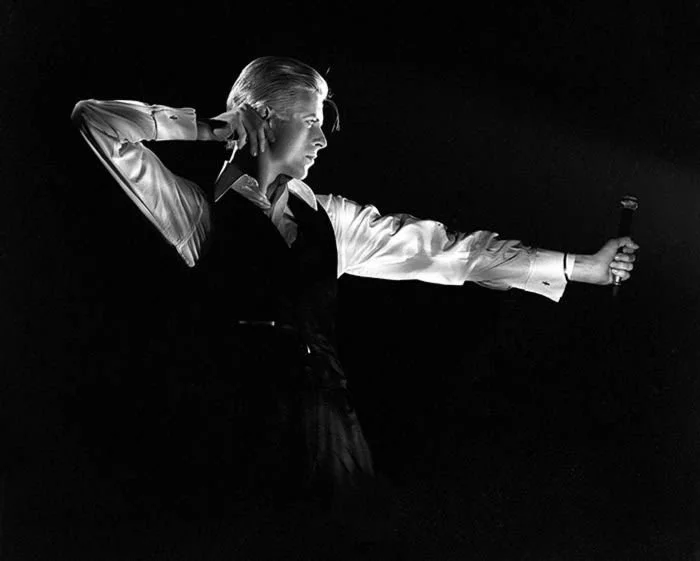
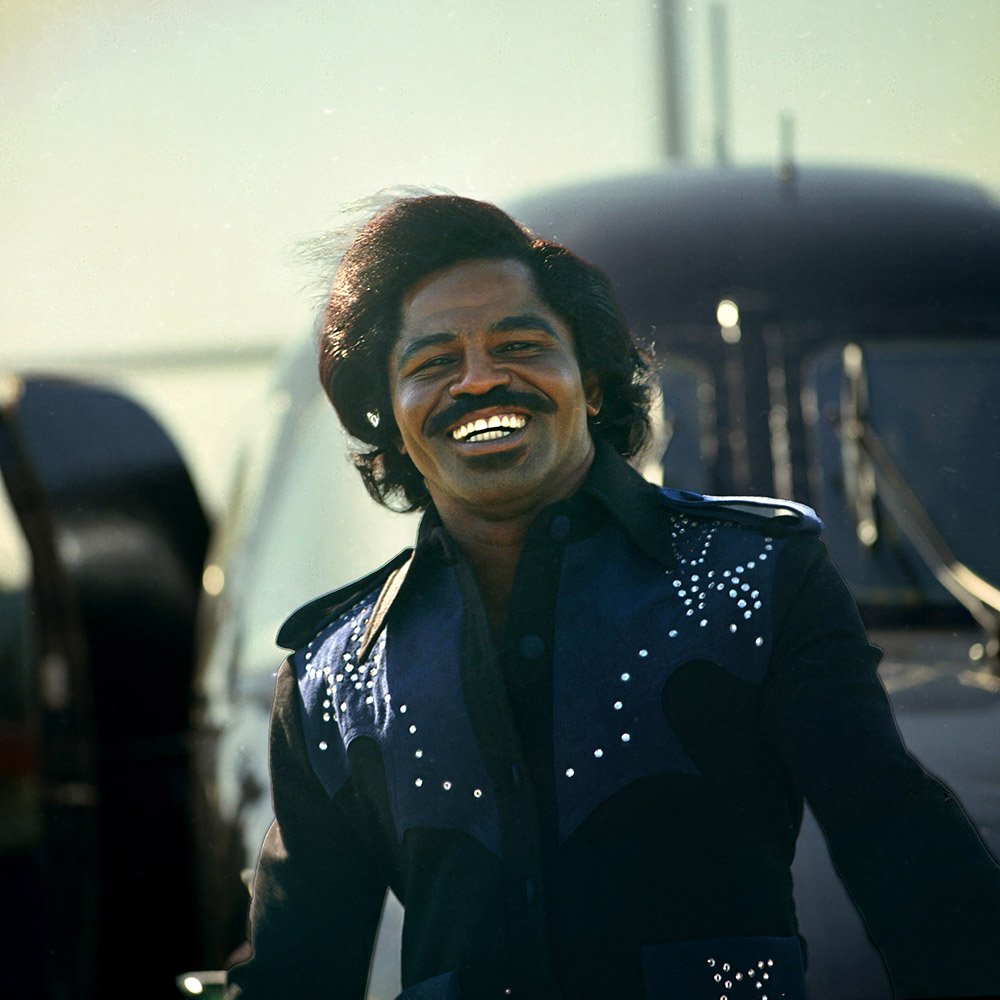

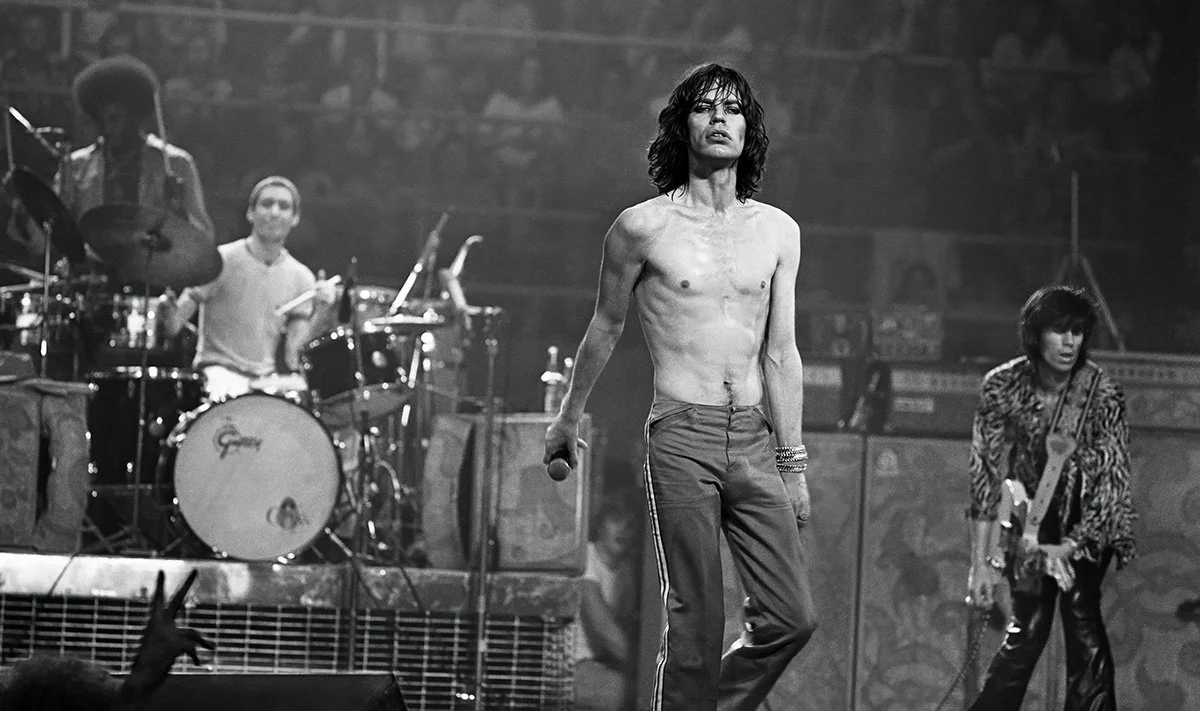

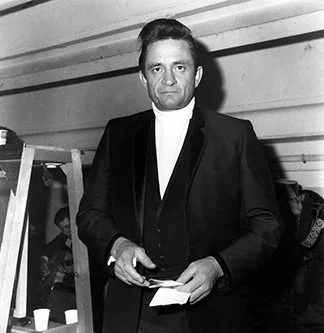
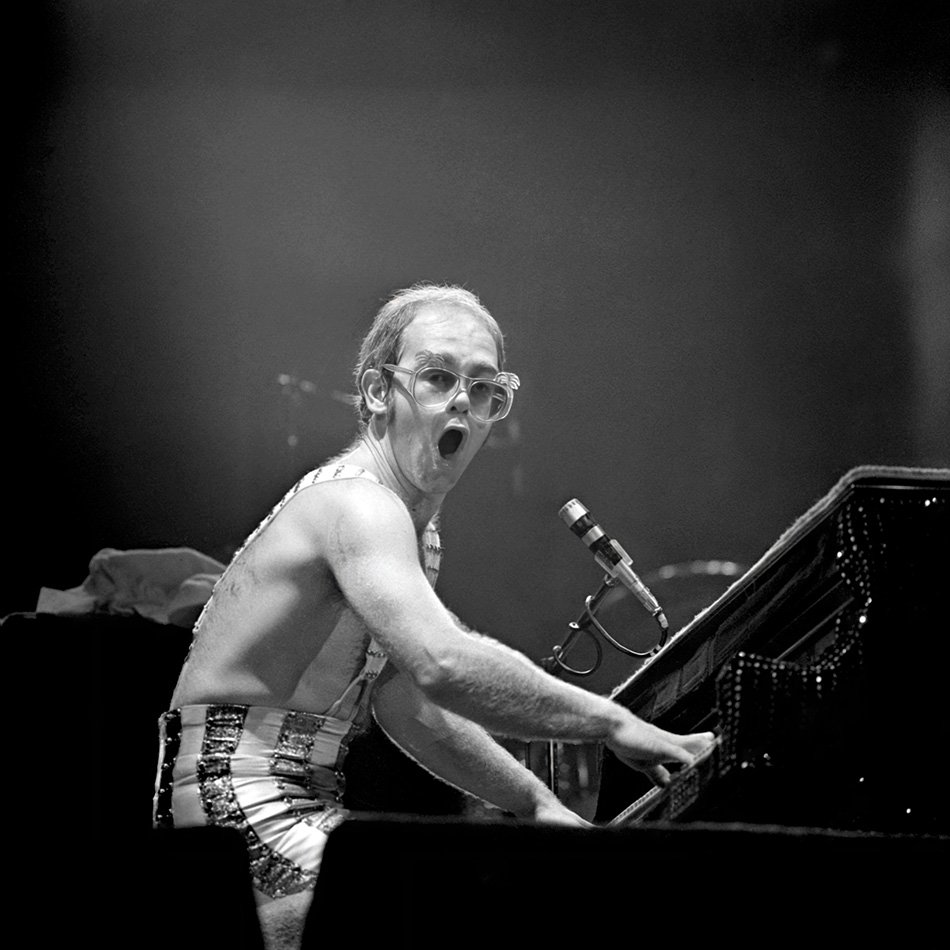

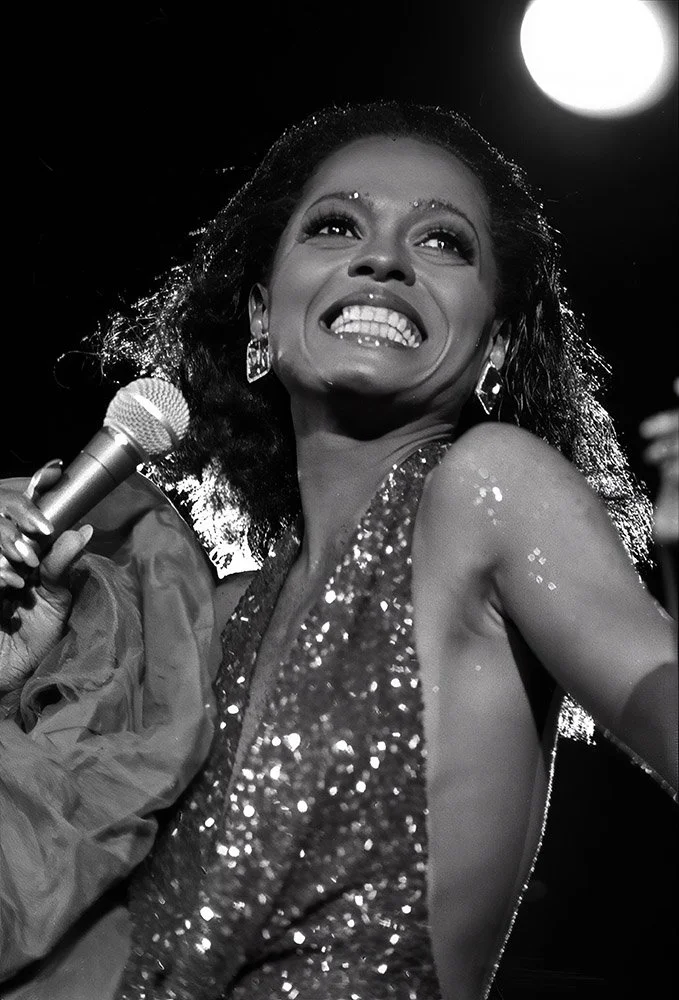
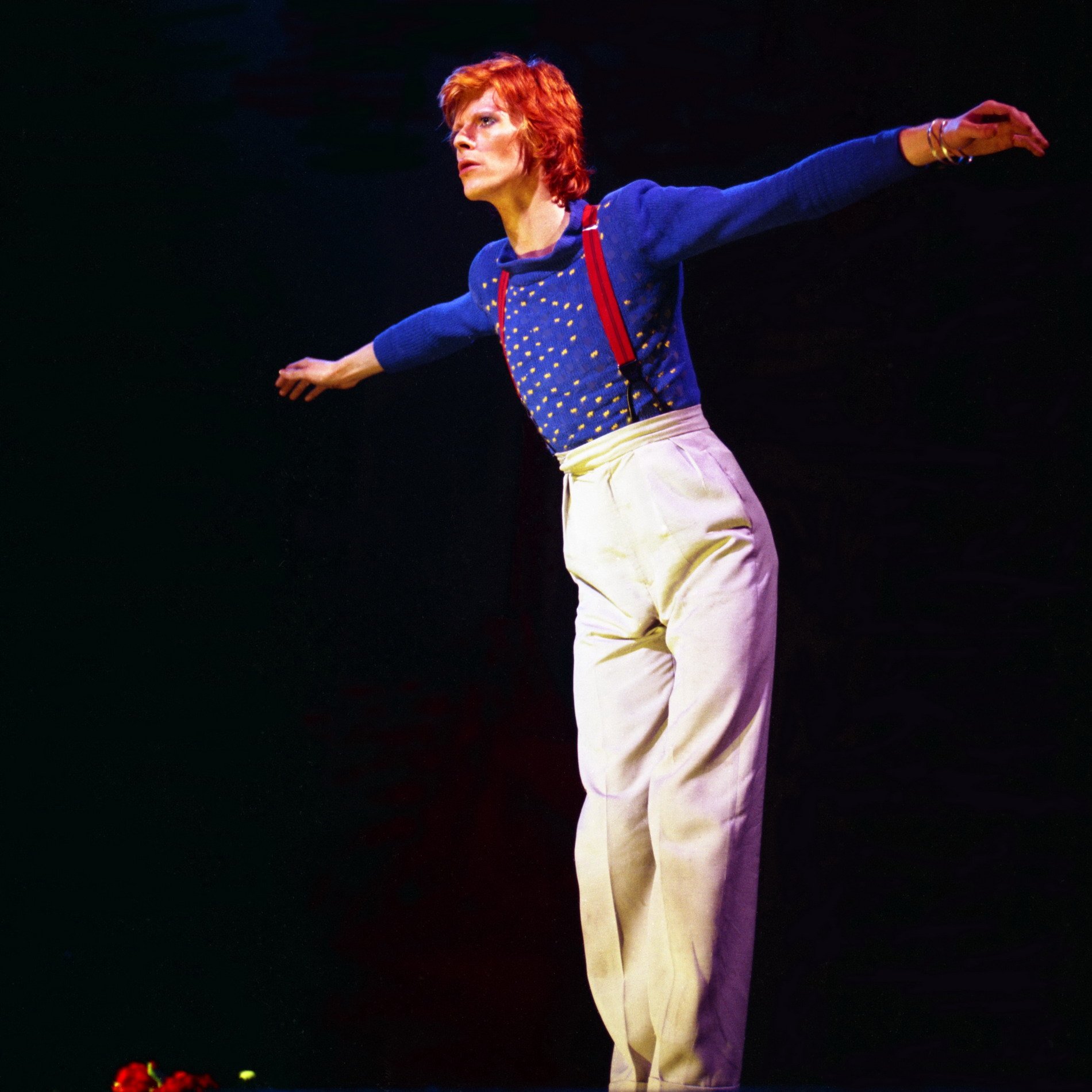
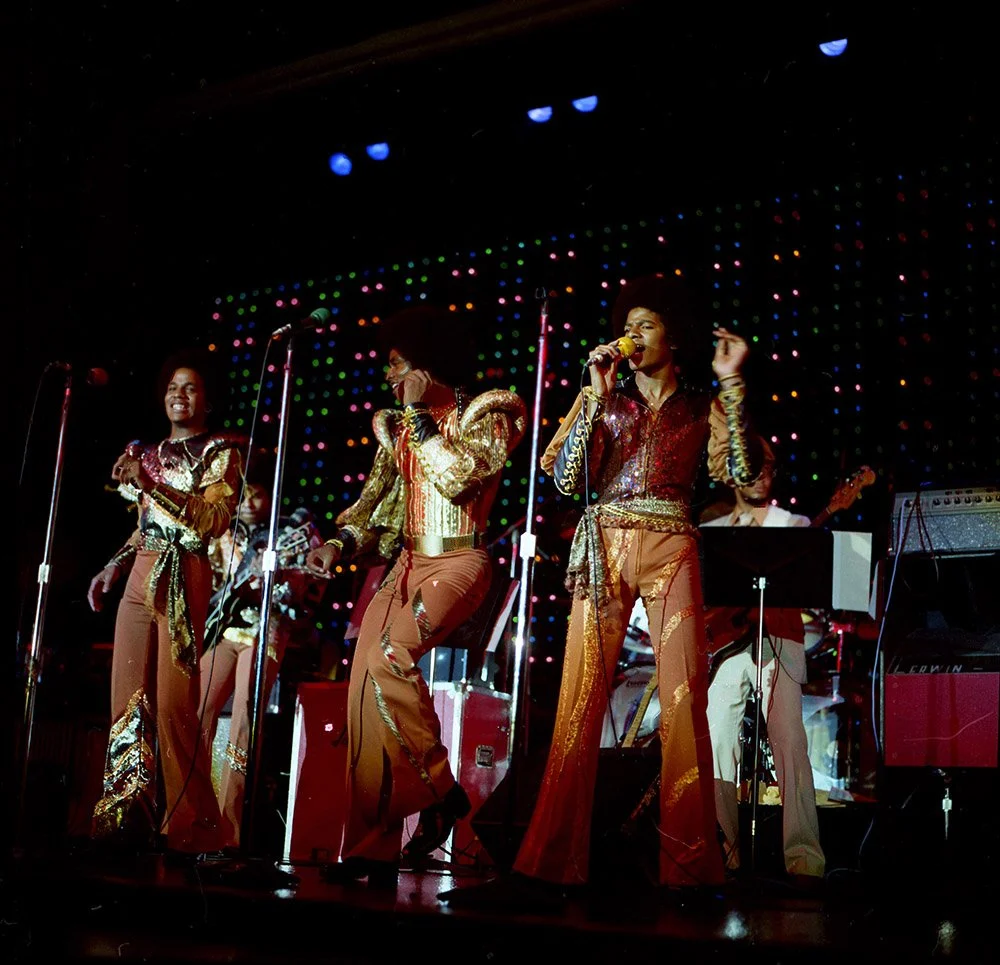
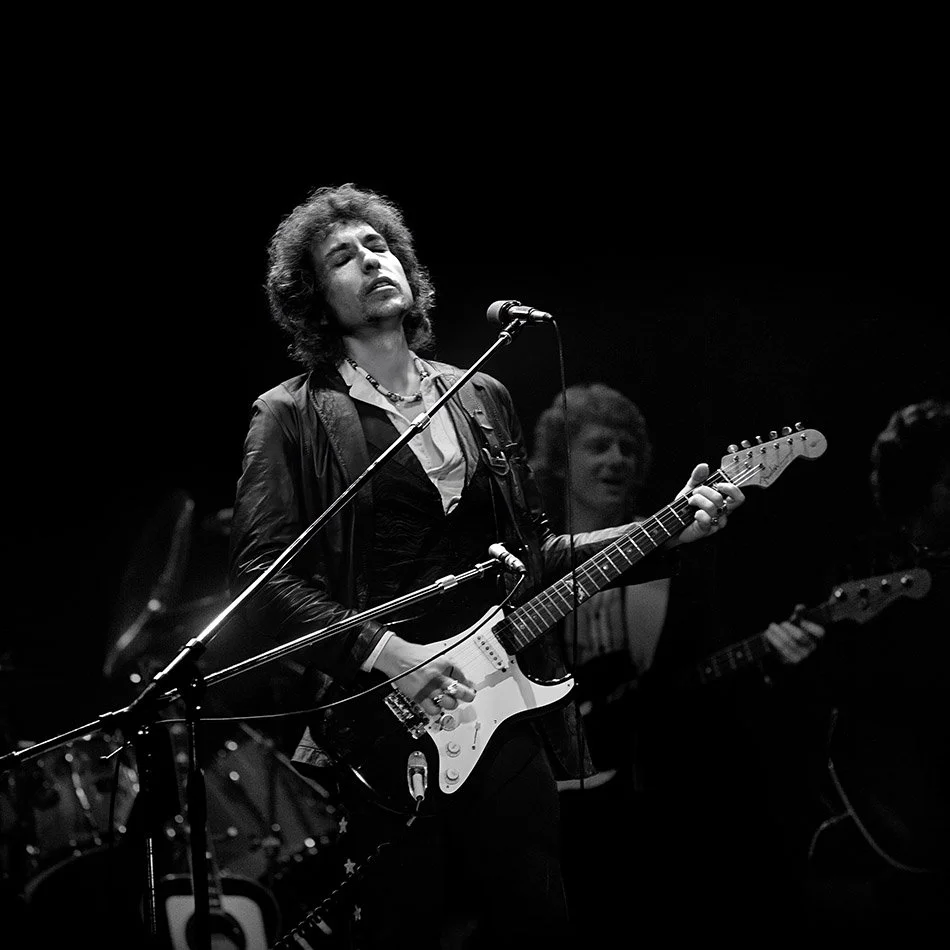

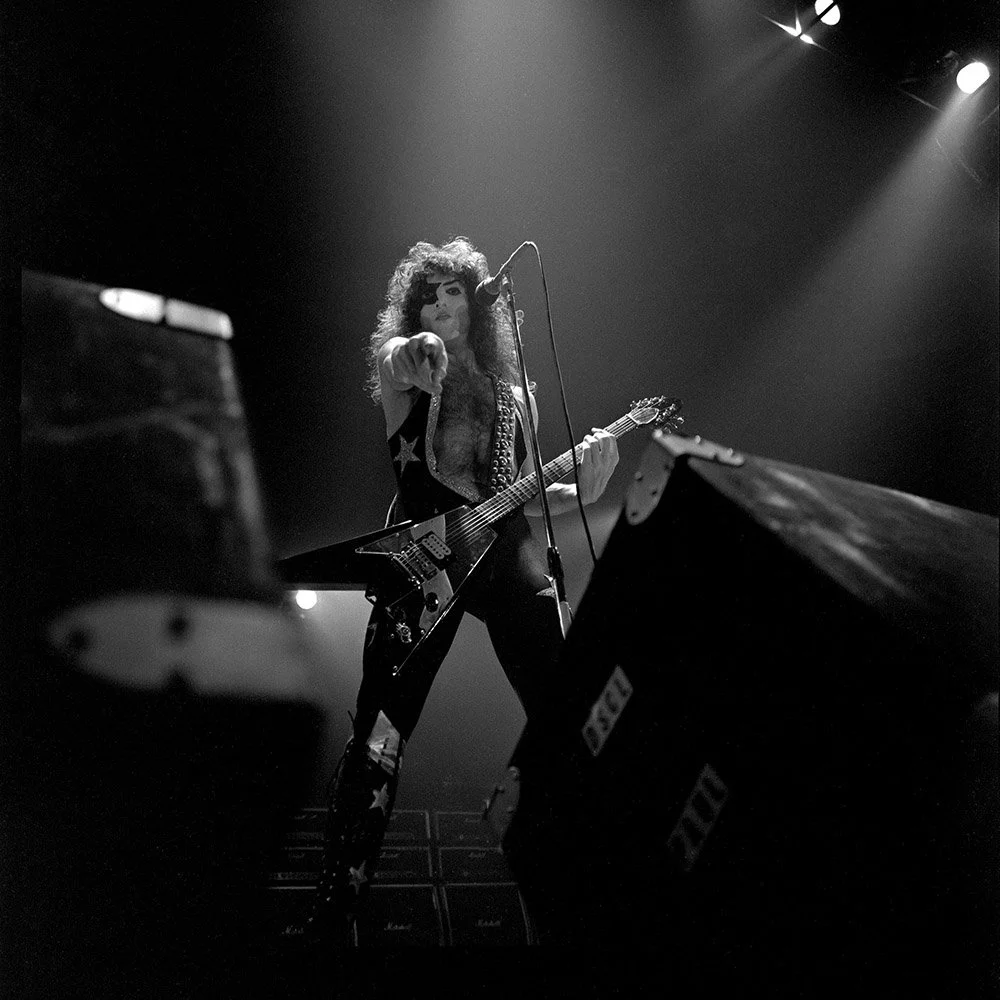
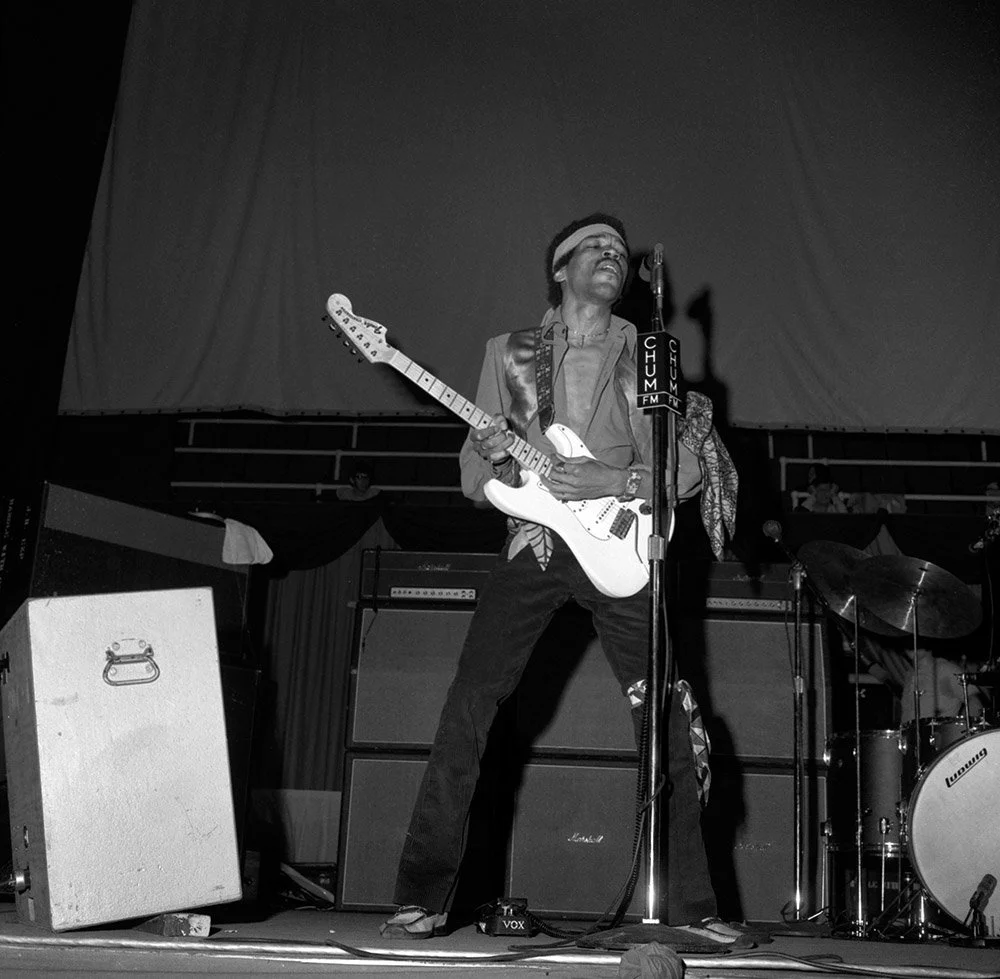

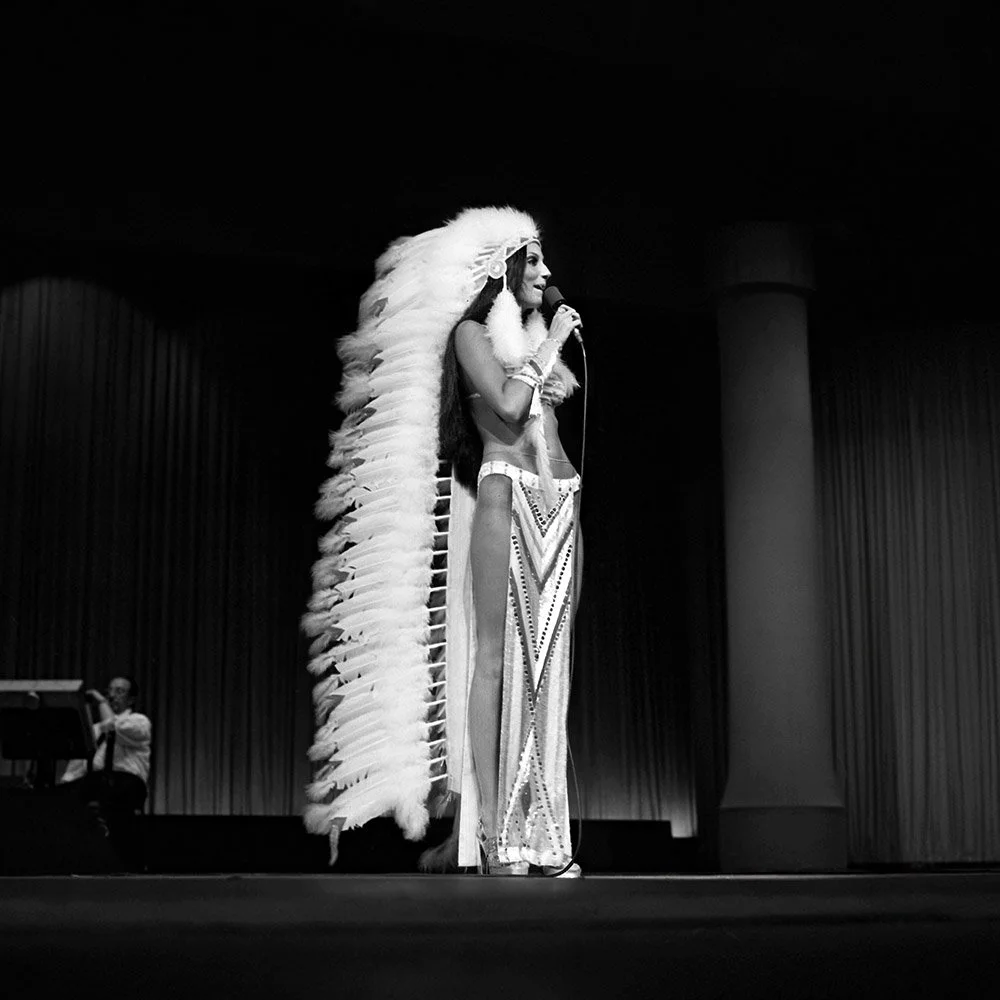
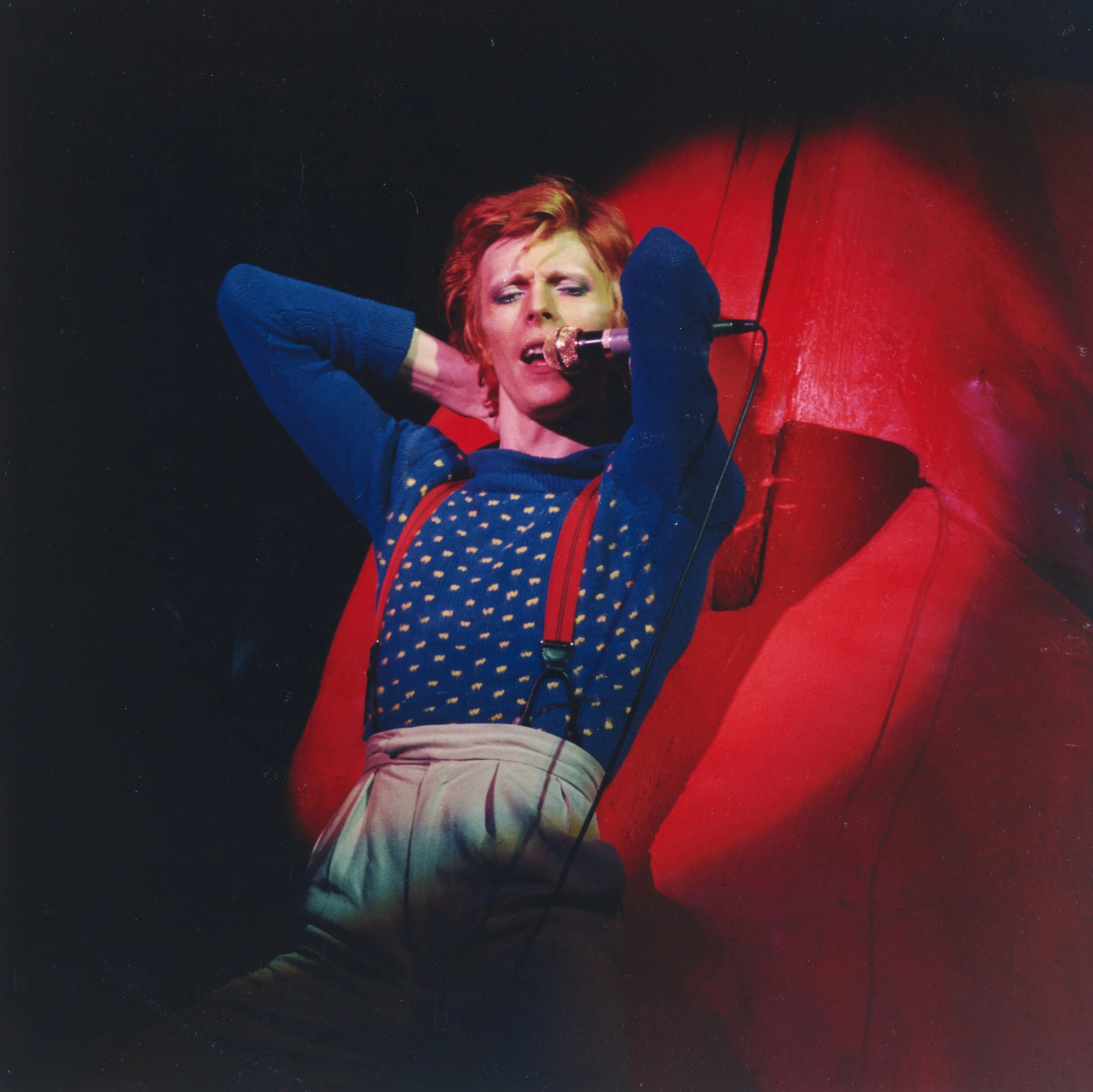
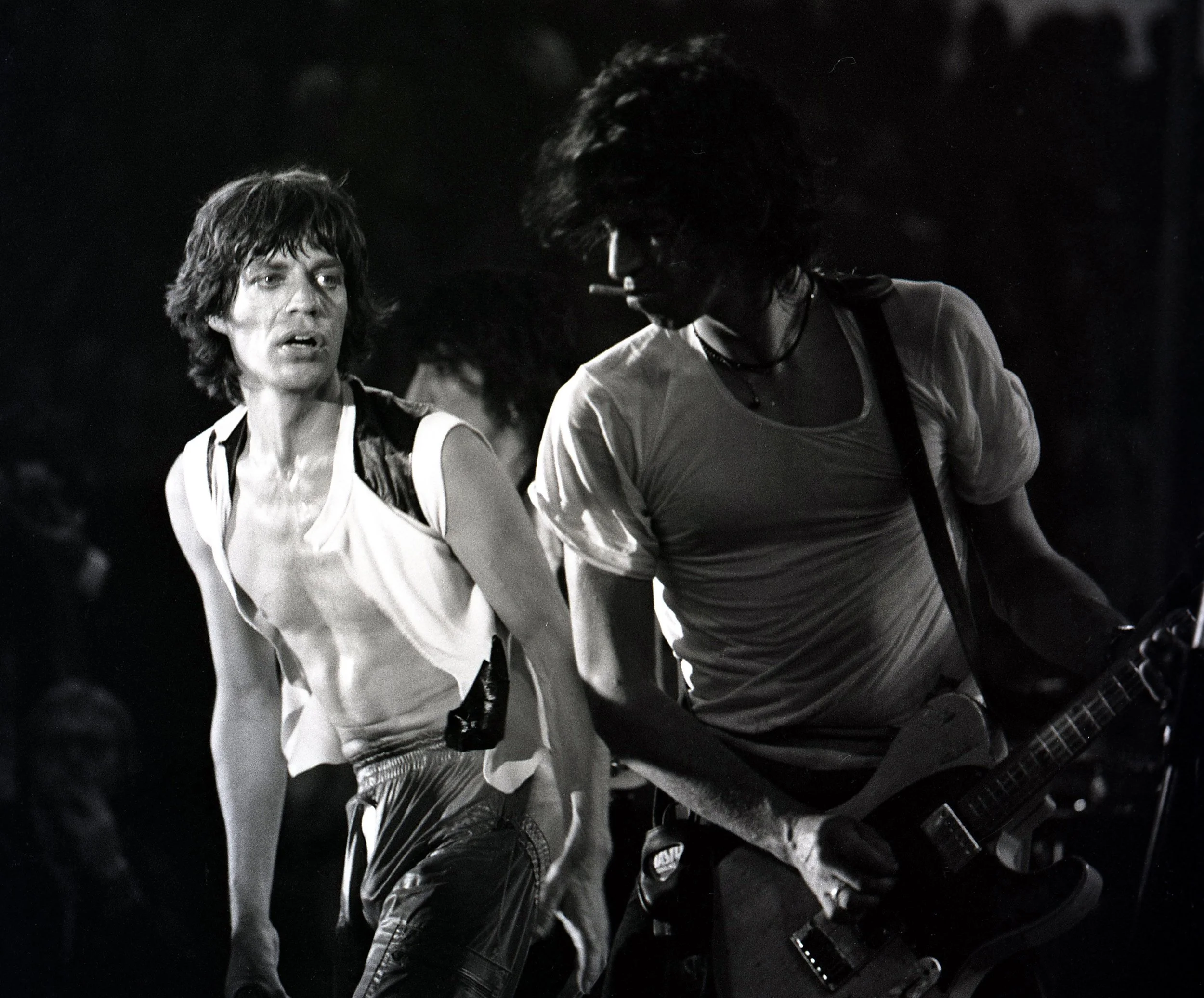
Throughout this period, Rowlands photographed many of the defining figures of modern music, including David Bowie, The Rolling Stones, The Who, Queen, Bob Marley, , Jimi Hendrix, Elvis Presley and many more. His images appeared in major publications of the time, yet much of his most significant work was never widely circulated.
Despite the scope and importance of the material, Rowlands was separated from the bulk of his original negatives and transparencies for more than 45 years. During a period when many photographers were consolidating their archives and reputations, his ability to publish, exhibit, or fully contextualise his work was severely limited. As a result, large portions of the archive remained unseen, unprinted, and effectively unknown outside a small circle.
The recovery and careful reassessment of this material has made it possible, for the first time, to present the work as it was originally intended. The photographs are approached not as memorabilia, but as cultural artifacts — documents of performance, presence, and transformation captured at the moment they occurred.
All works presented are produced using museum-grade digitisation from original materials, and printed as strictly limited editions using archival pigment processes on heavyweight, acid-free papers. Each edition is carefully controlled to preserve both material integrity and historical context.
What is shown here represents a curated introduction to a much larger body of work that continues to be studied, restored, and released with care.
Questions about the archive or any of the work contained within are welcome.